7 Essential Exercises for Marathon Training: Run Strong, Stay Injury-Free
Author: Anita Holmes
Marathon training is a rewarding but demanding process that puts stress on your body. Incorporating the right exercises can help build strength, improve flexibility, and assist with injury prevention.
Here are Mint Wellbeing’s 7 best exercises to help keep you strong and injury-free throughout your marathon training. Aim to do strength training a minimum of once a week while marathon training.
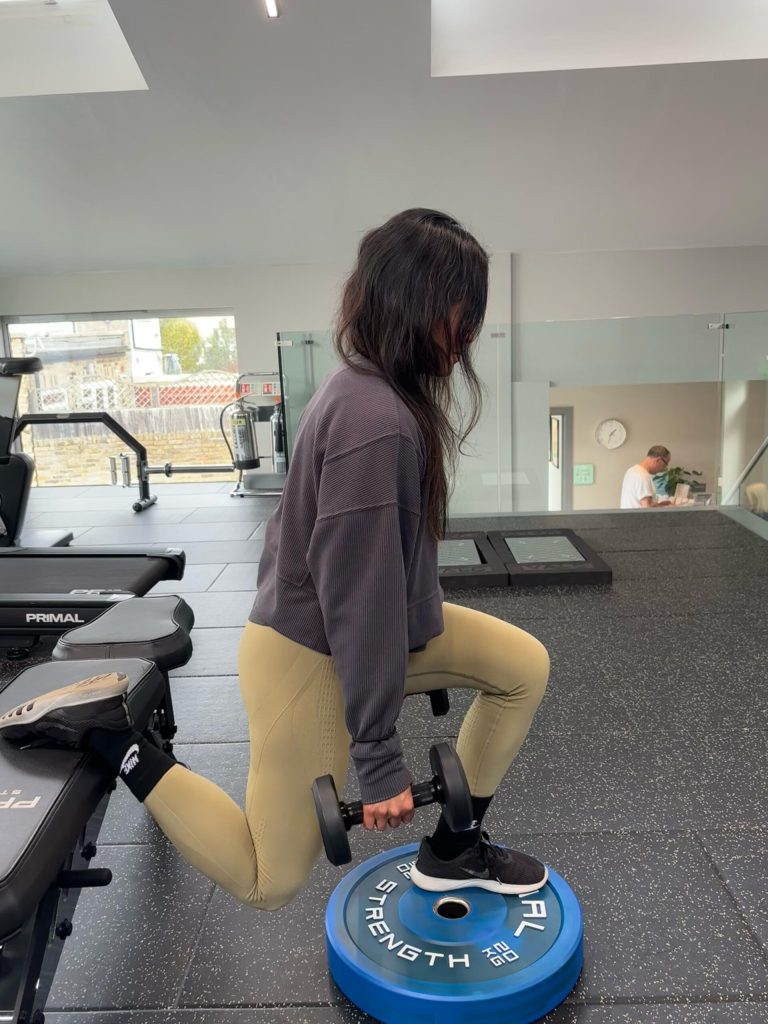
1. Bulgarian split lunge
Why? Running is a single-leg activity, making strength, balance and stability crucial. Bulgarian split lunges target single leg strength of the quads, glutes and hamstrings, which enhances running mechanics and helps prevent imbalances that could lead to injury. Research shows that single-leg exercises improve neuromuscular coordination, reducing the risk of overuse injuries. Add these into your marathon training strength day sessions!
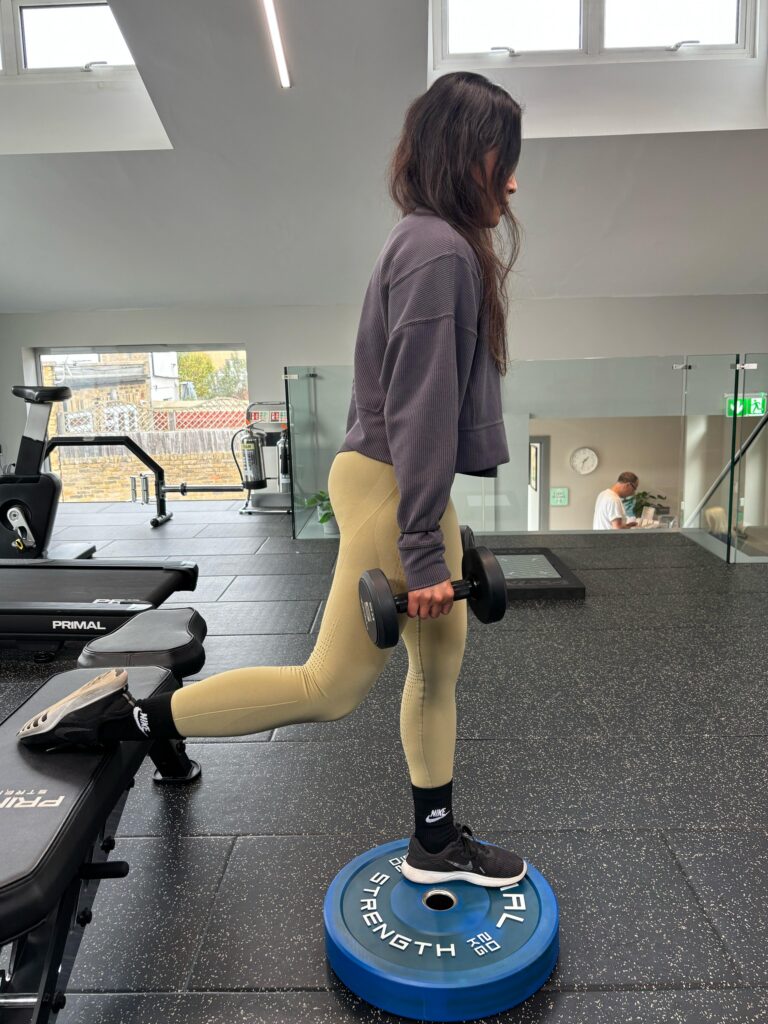

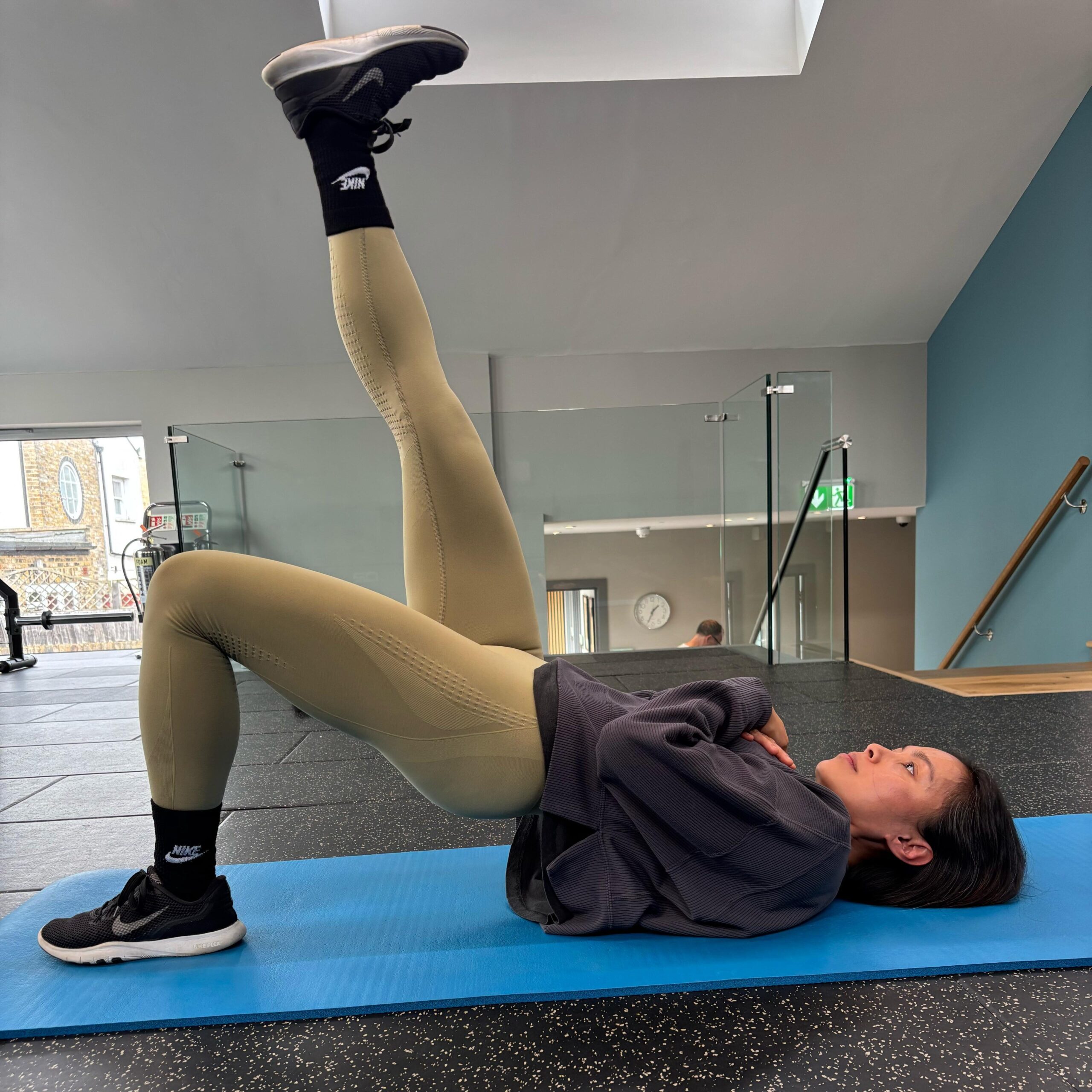
2. Single leg glut bridge
Why? Strong hip extensors help maintain proper running form. Hip extension exercises are crucial for running performance because they strengthen the gluteal muscles, which are the primary drivers of forward propulsion. Strong hip extensors improve stride length, running efficiency, and power output. Research published in the Journal of Athletic Training indicates that weak hip extensors are linked to common running injuries such as iliotibial band syndrome and patellofemoral pain (1). By incorporating a single leg glut bridge runners can reduce injury risk while marathon training.
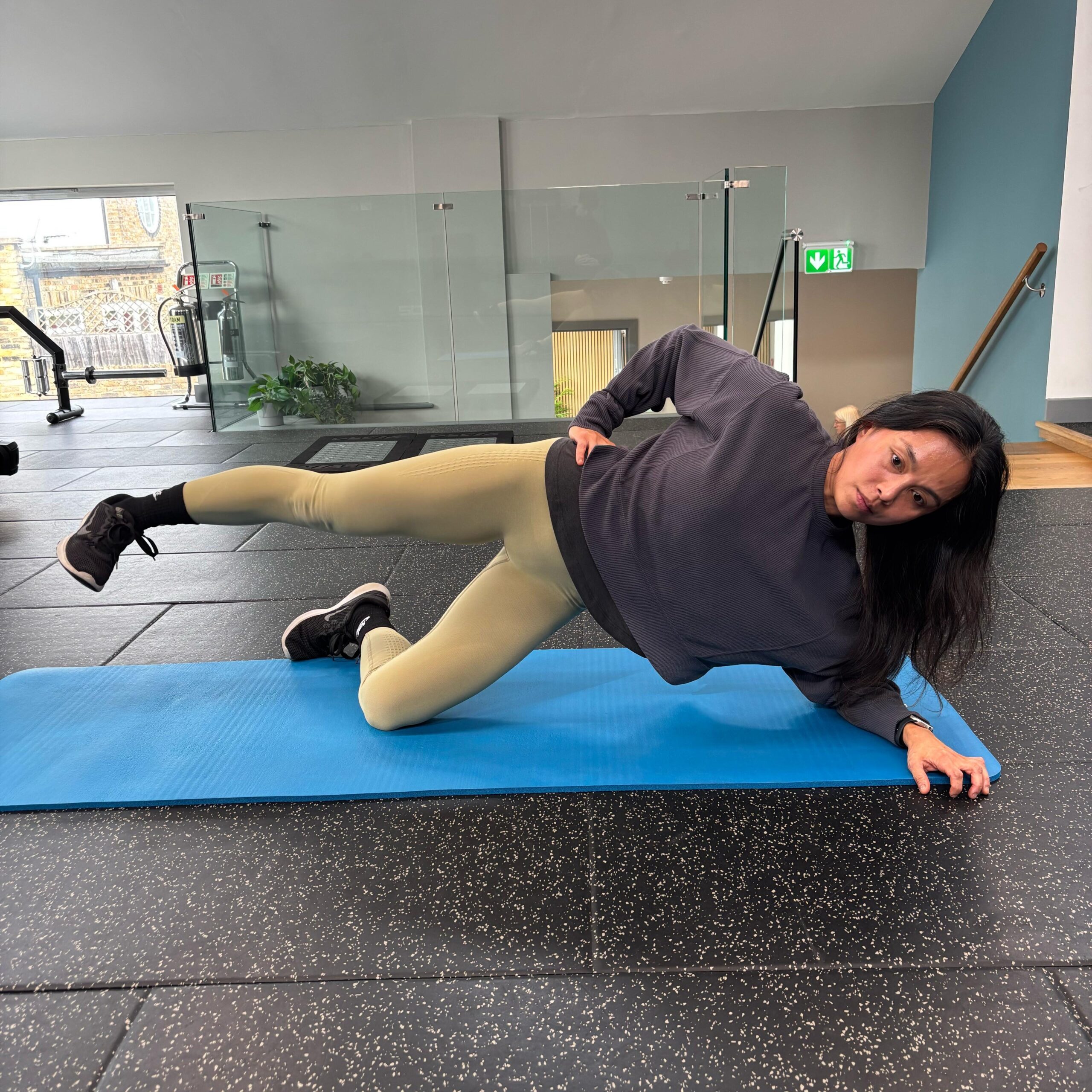
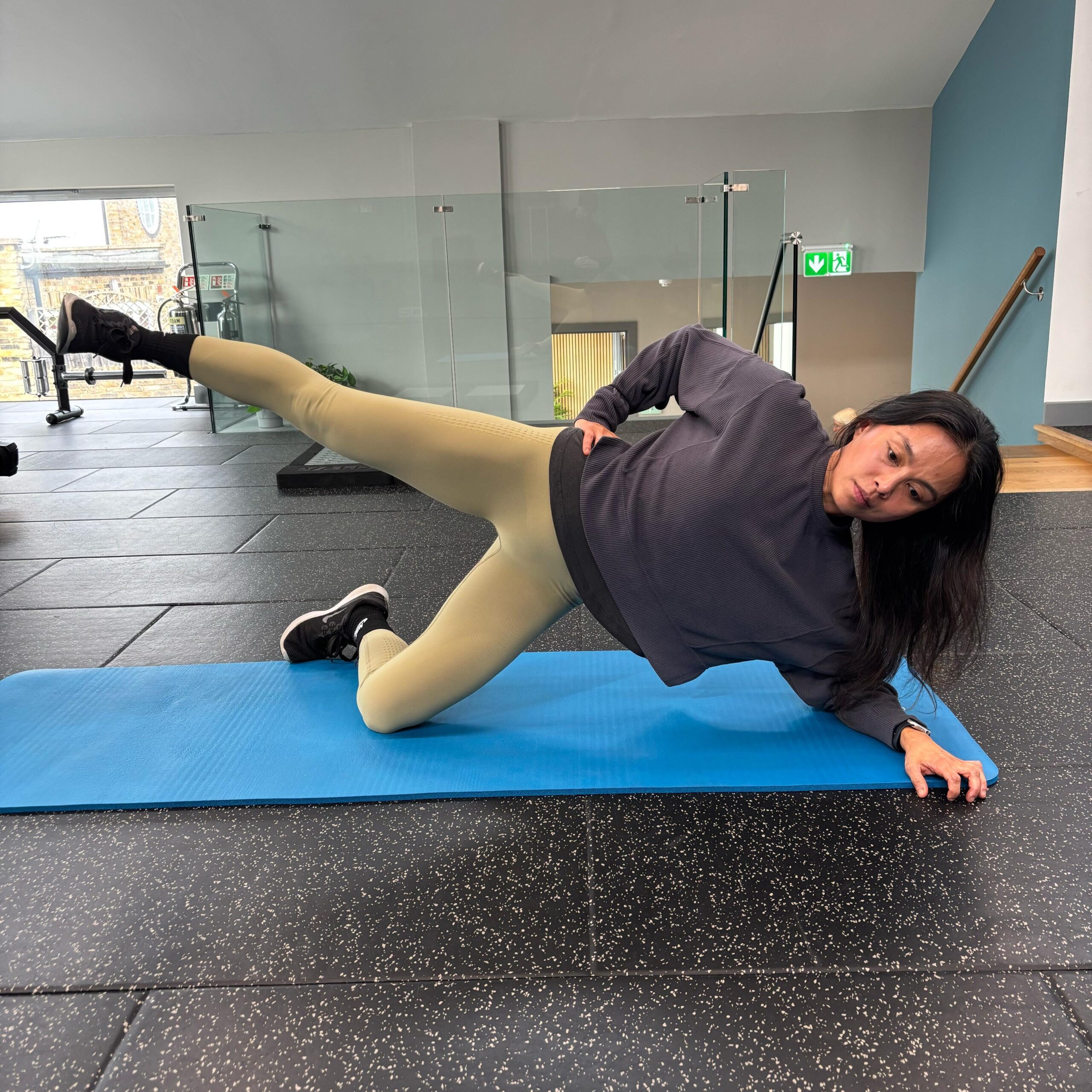
3. Bent knee side plank with leg raise
Why? A strong core enhances posture and running efficiency. These side planks engage the obliques as well as the gluts, reducing strain on the lower back and reducing your risk of ITB issues. Core stability exercises improve trunk control during dynamic activities like running, helping to distribute impact forces evenly across the body. Research suggests that weak lateral core muscles are associated with poor hip mechanics and increased injury risk.
4. Single leg calf raises
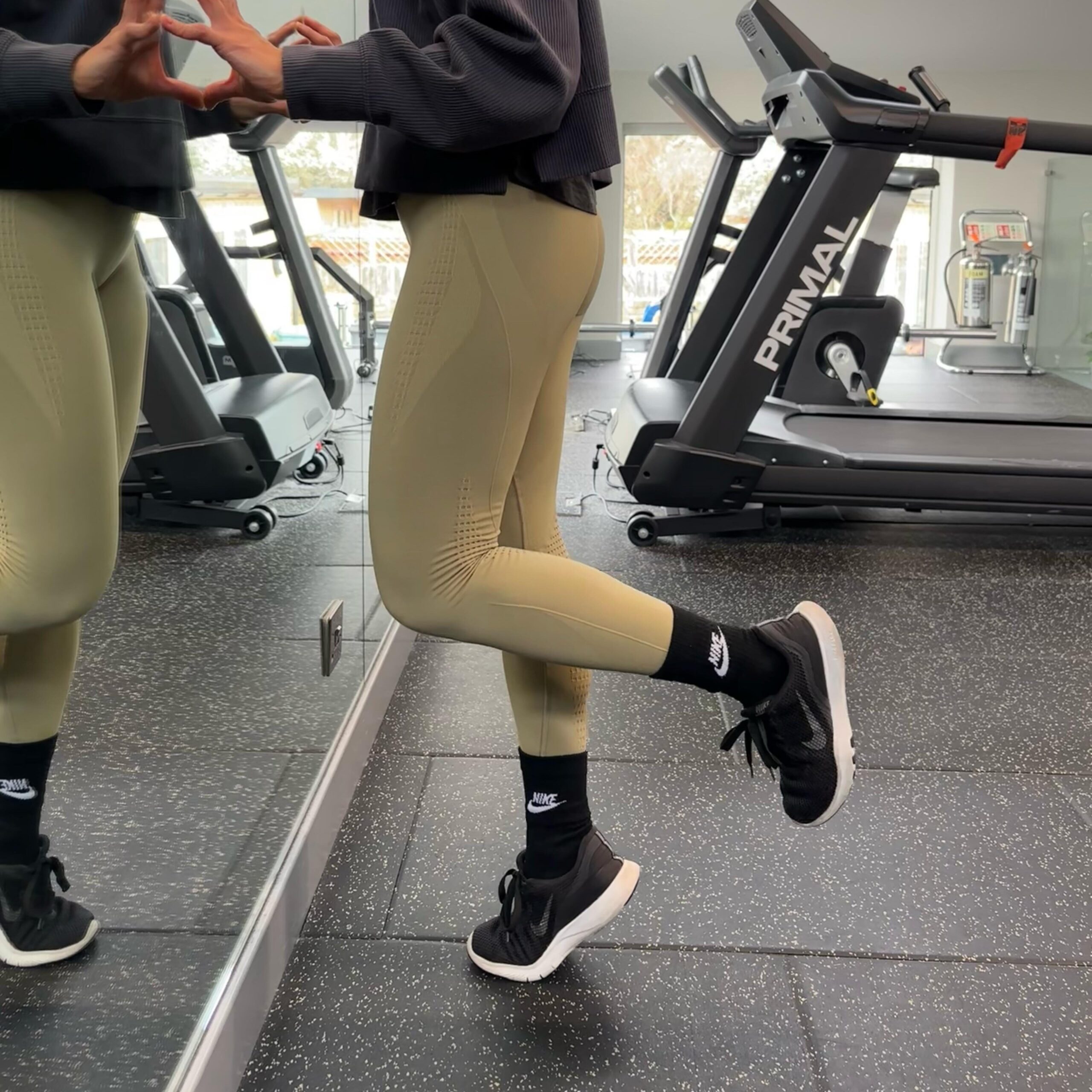
Why? The calves absorb significant impact while running. Strengthening them improves your plyometric power and helps prevent achilles tendon issues and shin splints. Calf raises enhance ankle stability and the ability to generate force during push-off. Studies indicate that calf muscle weakness is linked to increased strain on the Achilles tendon, contributing to tendinopathy. Single-leg variations mimic running mechanics, improving functional strength which is critical for injury prevention while marathon training.
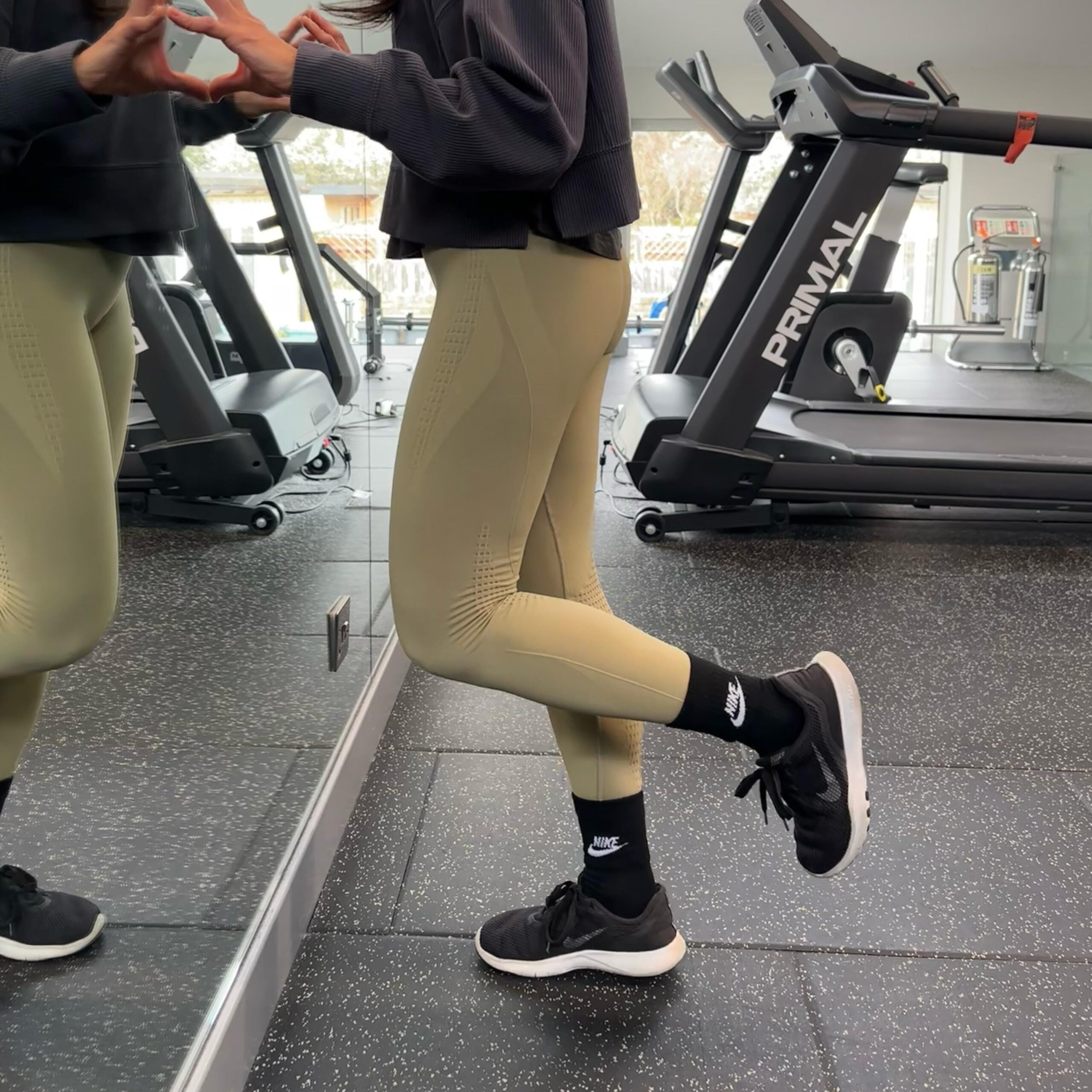
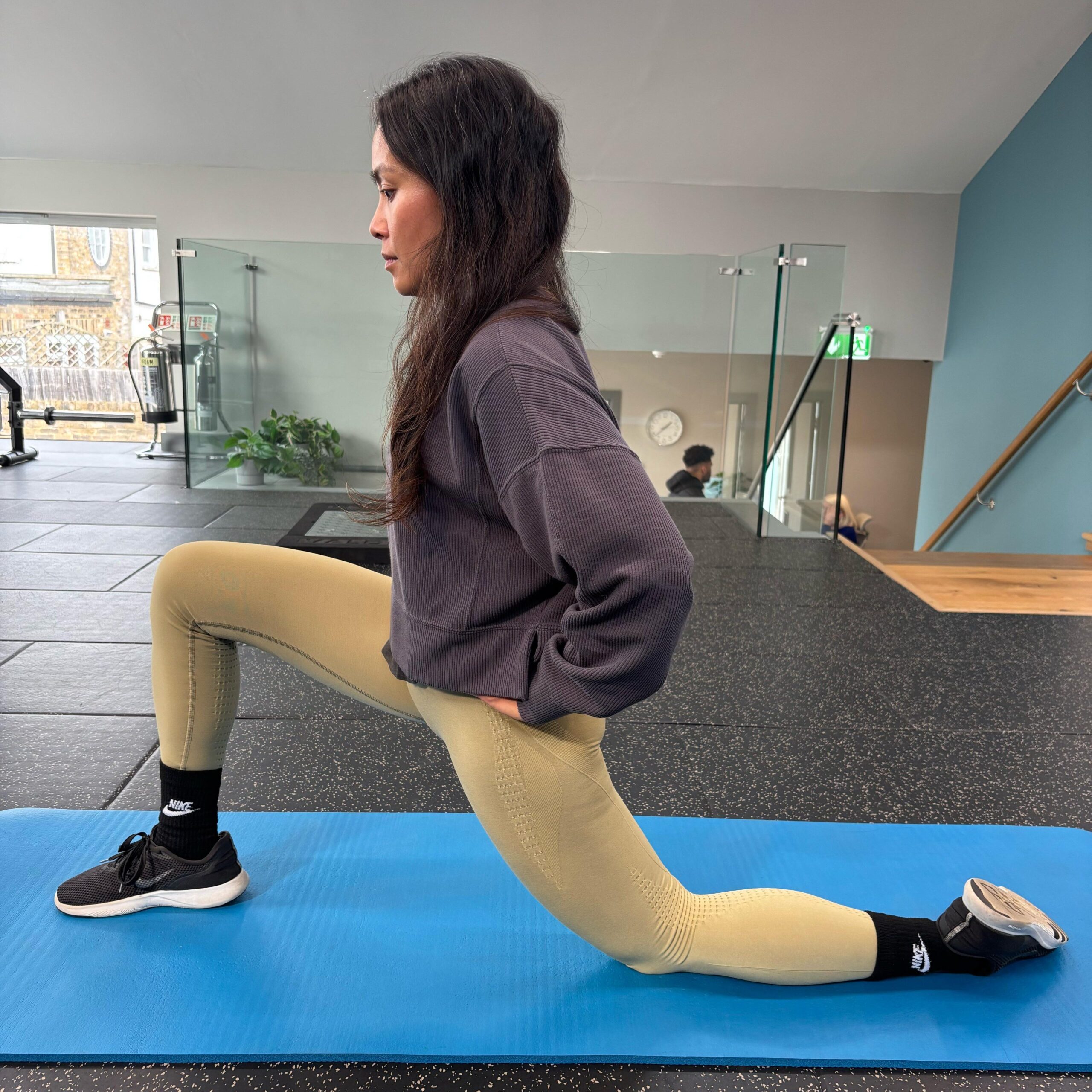
5. Hip Flexor Stretch
Why? Tight hip flexors can negatively affect running mechanics and lead to injuries. Stretching these muscles improves mobility and prevents imbalances. Prolonged sitting or repetitive running can cause hip flexor tightness, limiting hip extension and increasing strain on the lower back and knees. Research by Konrad et al (2) has shown the benefits of dynamic stretching prior to an activity can boost performance.
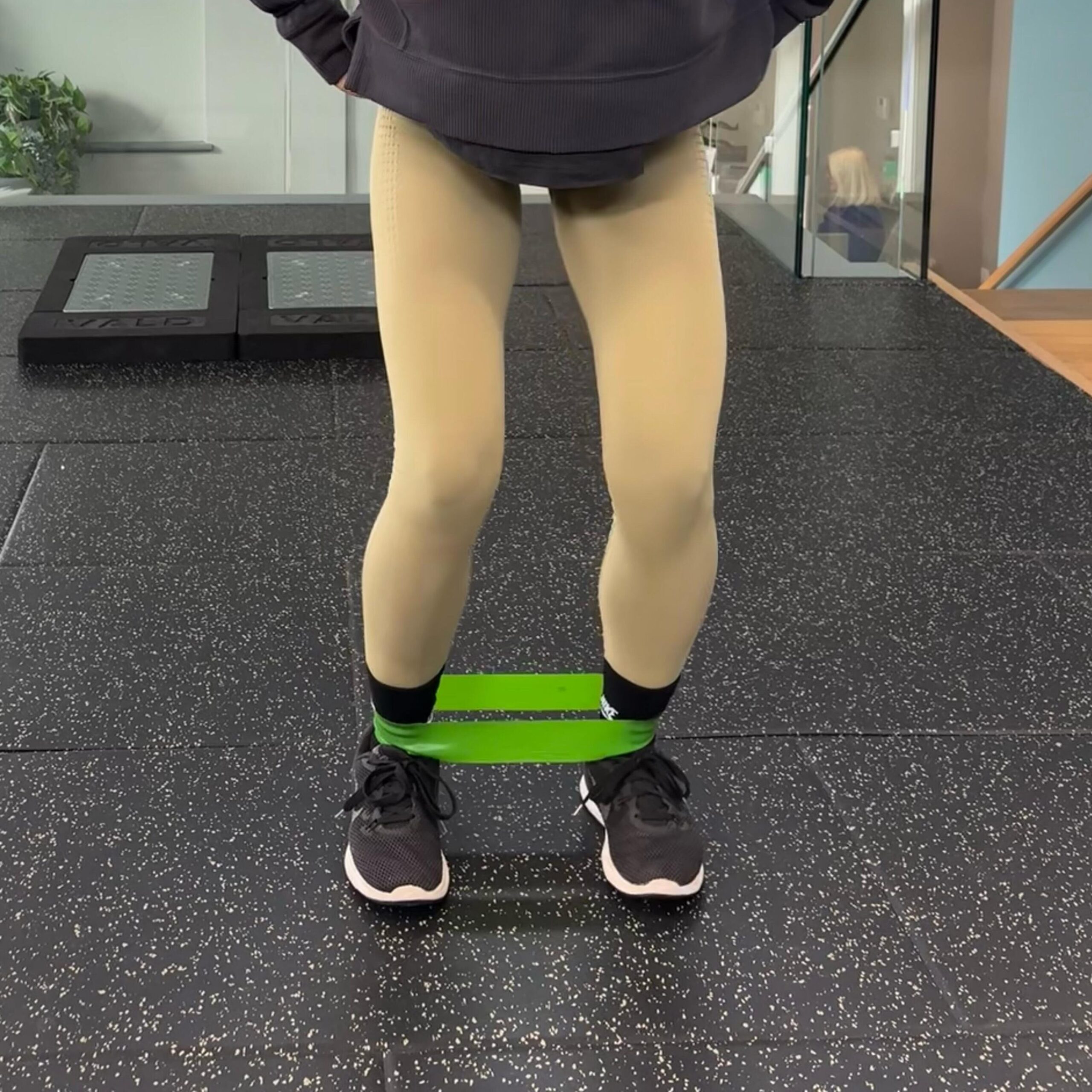
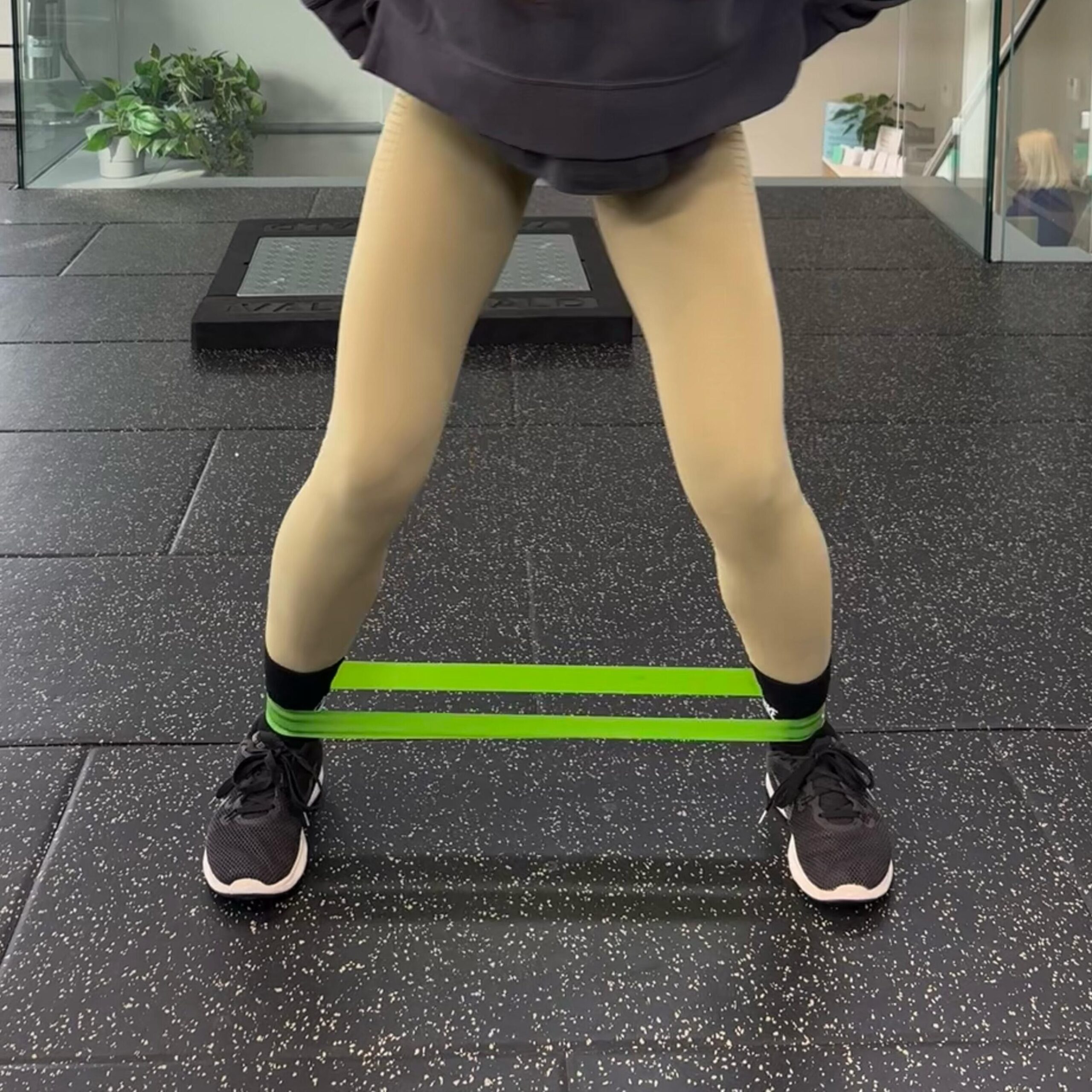
6. Lateral Band Walks
Why? Strengthening the hip abductors improves your hip stability and balance, reducing the risk of IT band issues and knee pain. Weak hip abductors can contribute to poor pelvic alignment, which can cause excessive knee inward movement during running. Lateral band walks target the gluteus medius, a critical stabiliser during gait. Studies show that hip abductor strengthening can significantly reduce patellofemoral pain and prevent lateral hip pain (3).
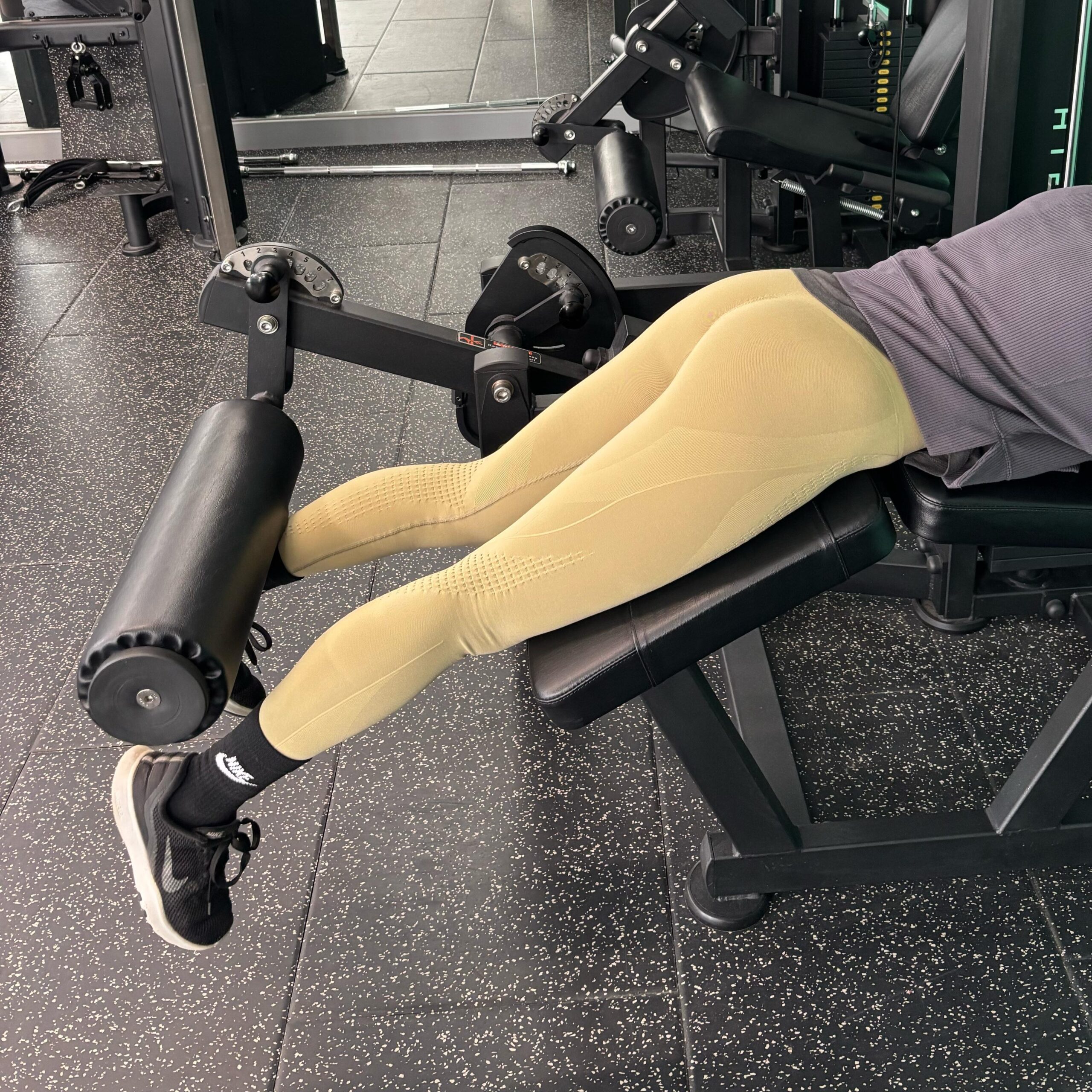
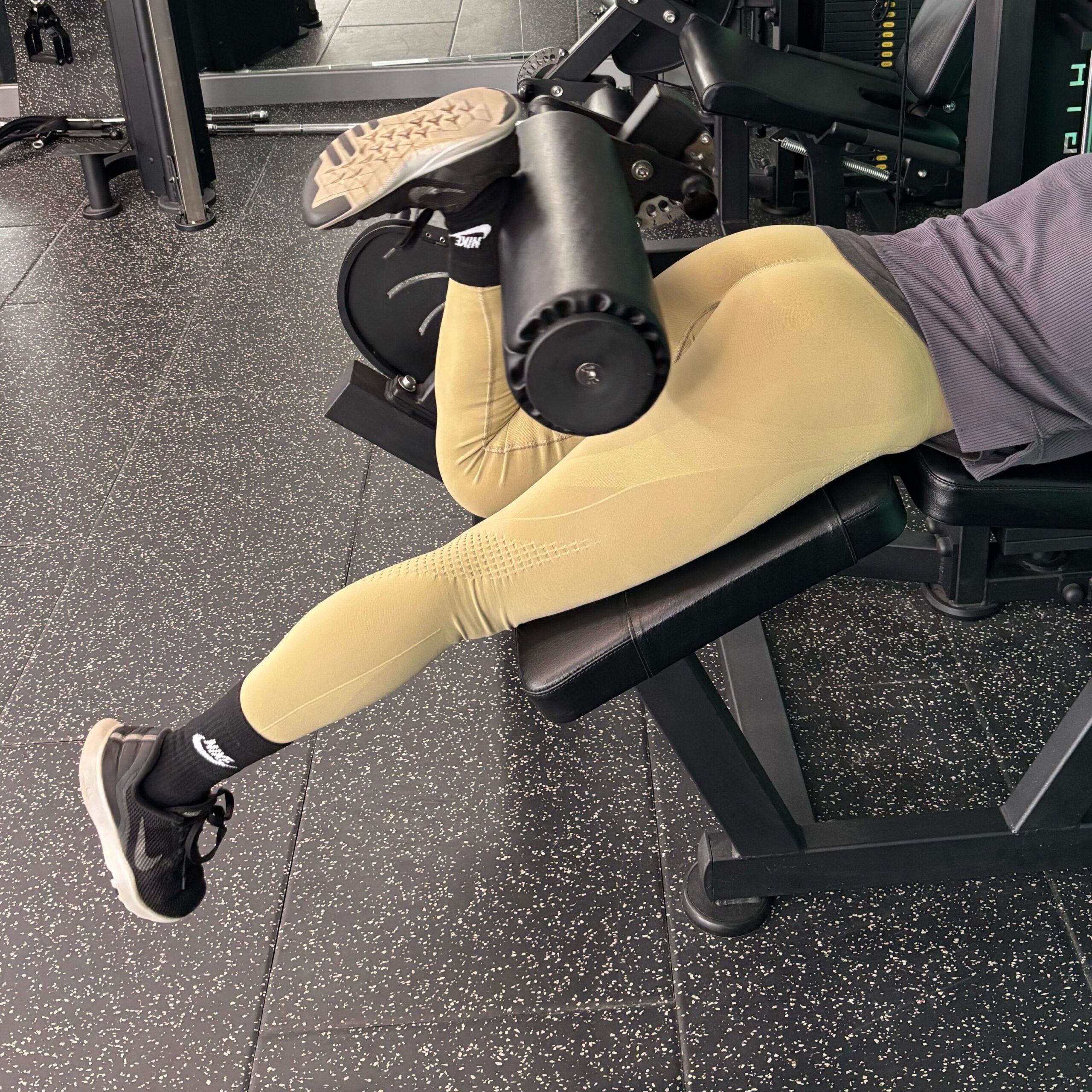
7. Hamstring Curls
Why? Hamstring strength is crucial for running performance and injury prevention. Strong hamstrings help stabilise the knee joint, absorb impact forces, and control the leg during the swing phase of running. They also work to decelerate the leg, reducing stress on the knees and hips. Weak or imbalanced hamstrings increase the risk of common running injuries, such as hamstring strains, knee pain, and tendon issues. By strengthening the hamstrings, runners can improve their power, efficiency, and overall resilience against injury (4).
Perform these exercises 2-3 times a week as part of your marathon training routine. Strengthening and stretching key muscle groups will enhance your endurance, improve running form and significantly reduce the risk of injury. By prioritising injury prevention, you can train effectively and confidently for your marathon.
Strengthen smart, run strong and prevent injuries!
References:
Rudisill SS, Varady NH, Kucharik MP, Eberlin CT, Martin SD. Evidence-Based Hamstring Injury Prevention and Risk Factor Management: A Systematic Review and Meta-analysis of Randomized Controlled Trials. The American Journal of Sports Medicine. 2023;51(7):1927-1942. doi:10.1177/03635465221083998
Teng HL, Powers CM. Hip-Extensor Strength, Trunk Posture, and Use of the Knee-Extensor Muscles During Running. J Athl Train. 2016 Jul;51(7):519-24. doi: 10.4085/1062-6050-51.8.05. Epub 2016 Aug 11. PMID: 27513169; PMCID: PMC5317187.
Konrad A, Močnik R, Titze S, Nakamura M, Tilp M. The Influence of Stretching the Hip Flexor Muscles on Performance Parameters. A Systematic Review with Meta-Analysis. Int J Environ Res Public Health. 2021 Feb 17;18(4):1936. doi: 10.3390/ijerph18041936. PMID: 33671271; PMCID: PMC7922112.
Thomas DT, R S, Prabhakar AJ, Dineshbhai PV, Eapen C. Hip abductor strengthening in patients diagnosed with knee osteoarthritis – a systematic review and meta-analysis. BMC Musculoskelet Disord. 2022 Jun 29;23(1):622. doi: 10.1186/s12891-022-05557-6. PMID: 35768802; PMCID: PMC9241212.